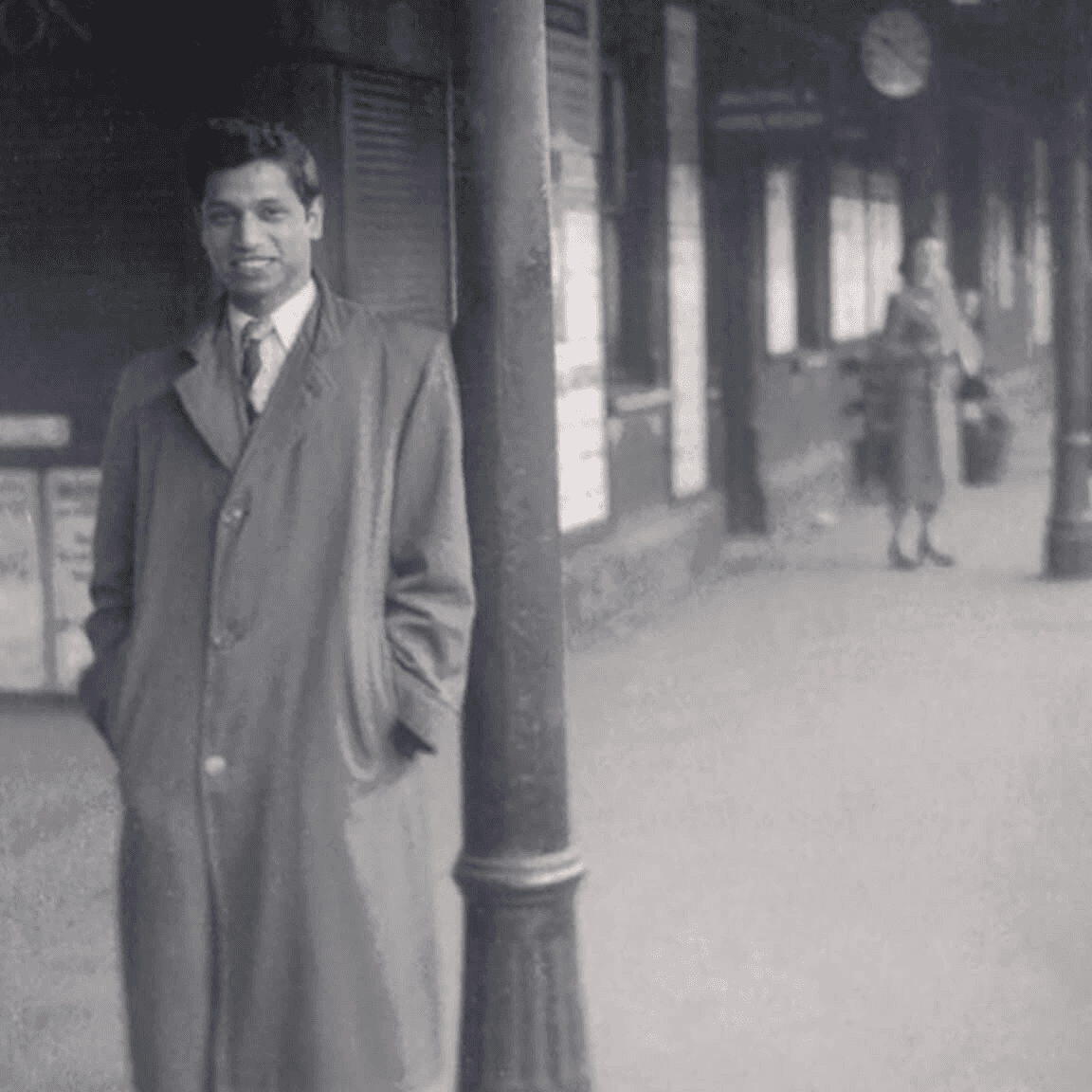
First years in England(1950-1955)
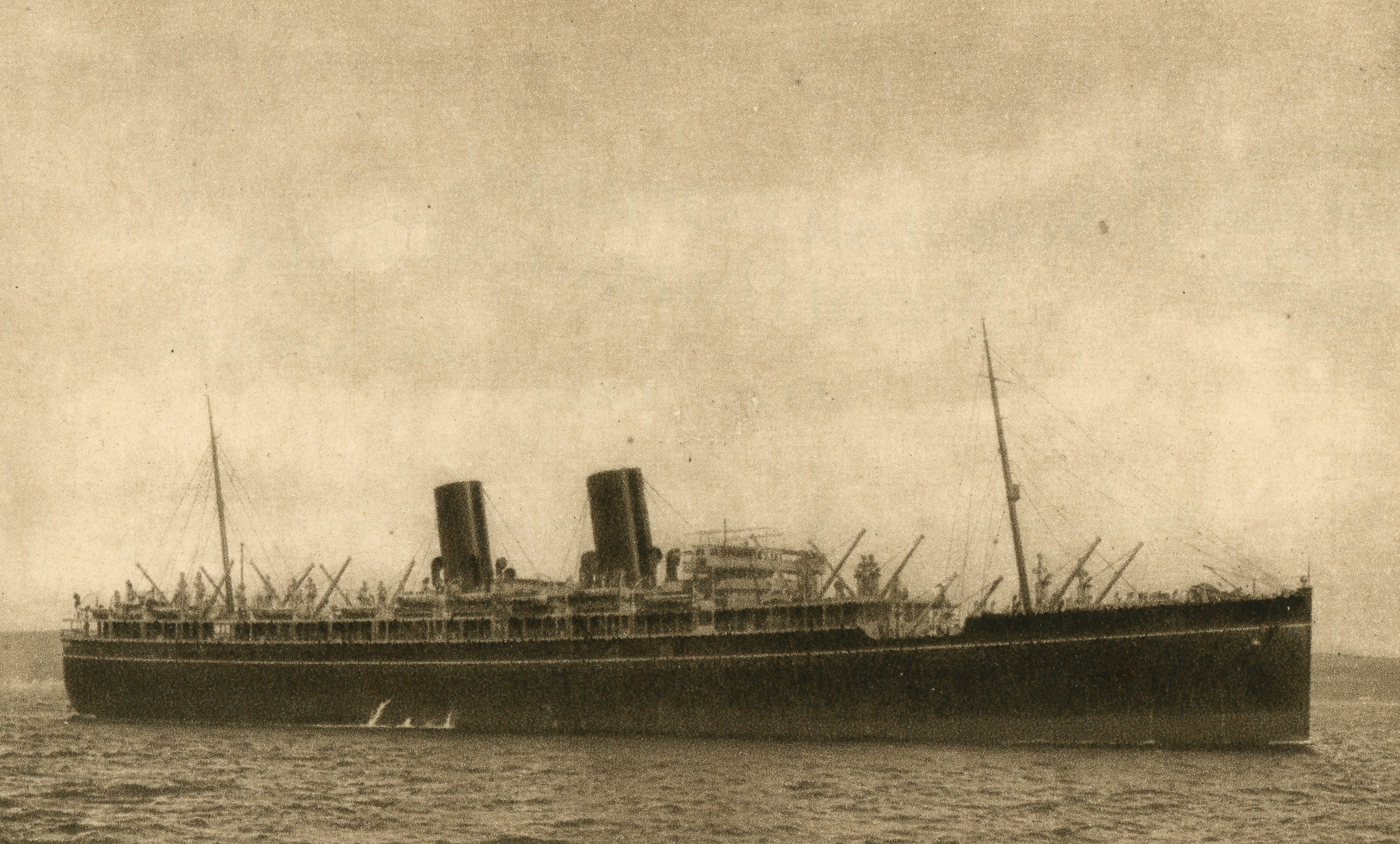
Photograph of the P&O’s SS ‘MOOLTAN, which sailed between 1923 and 1954
Ribeiro, aged sixteen, was secretly sent to London in 1950 by his mother to study for a career in accountancy. His older artist-brother, Souza, had left a year earlier and had written home that prospects for Lance in Britain held promise. In a letter to the teenage Ribeiro, Souza wrote:
“…London life is throbbing. The ‘Underground’ of London is an amazing feat of engineering. To go underground to the tiny trains called ‘tubes’ all one has to do is to stand on a staircase which moves. They are called escalators, which you must have heard about... the sensation at first on it is something unexplainable.”
Souza’s letter to Ribeiro, 1949
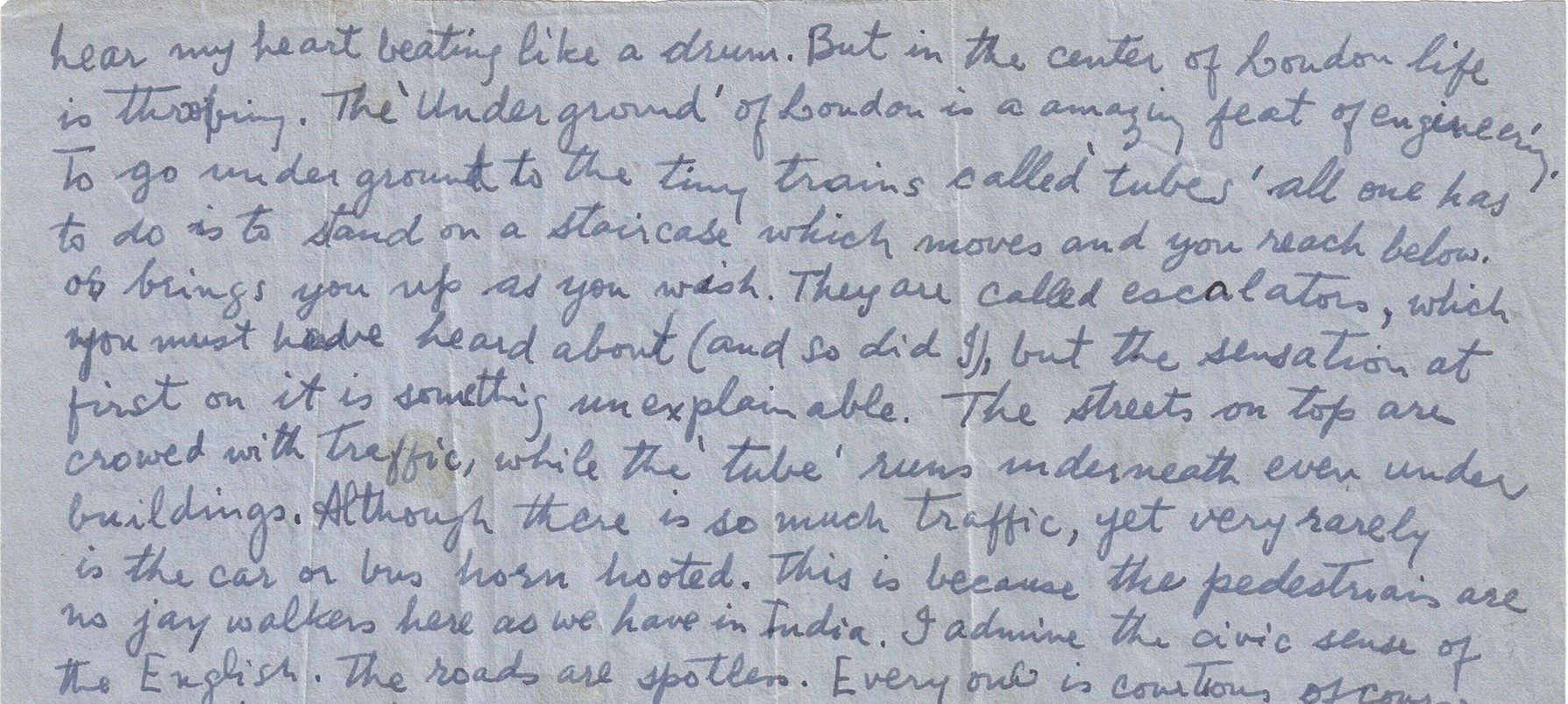
Extract of letter from Souza to Ribeiro, 1949
Ribeiro left Bombay Docks on 26 August 1950 on the P&O’s ‘SS MOOLTAN which, he wrote, had become ‘his city for three weeks.’ A diary account recounted his voyage:
‘I was up early that morning plagued and tormented by my decision to come to a place I felt I was so misinformed about. If I was wrong about the weather, what about everything else? I walked the decks of the ship aimlessly. Visited the lounges, the pool sides, the dance and game areas … This was the world I had got to know, got accustomed to and had begun to enjoy. Such a glorious and what seemed to me a real world – I was sixteen then.’
Ribeiro on his voyage to Britain in 1950, undated
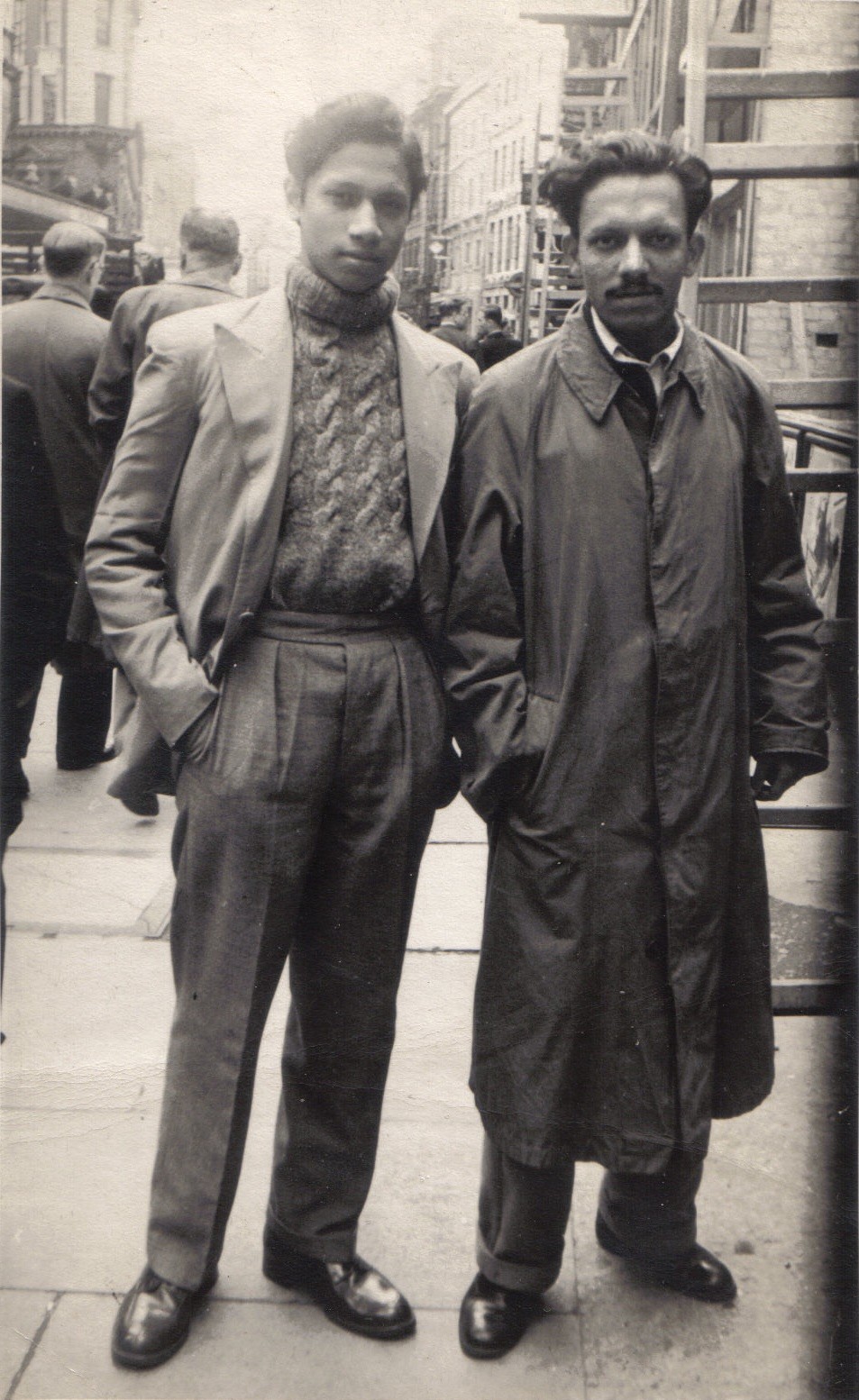 Ribeiro and Souza, London, 1950 | On arrival at Tilbury Docks in London in 1950, he first stayed with Souza and his wife Maria, where he explained their baby daughter Shelley was born. Ribeiro described their ‘lives and contacts as an ‘open book’ intertwined at Chalcot Square’ in London’s Chalk Farm. Britain in those years was still recovering from the Blitz. He would undoubtedly have experienced food and clothing rationing - which had been introduced in 1940 – and would remain in place until 1954. He soon moved to the International Language Club in London’s East Croydon while studying for his accountancy exams which – despite letters from home urging him towards success – he keenly abandoned; explaining of accountancy he ‘hated it’. |
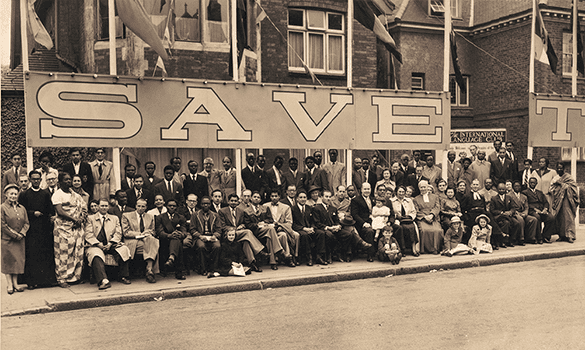
Ribeiro (front row, wearing bow tie) with the International Language Club, East Croydon 1951
For the young Ribeiro, his letters home revealed these were times of financial strain and he had had to occasionally pawn his clothes. However, he was also enjoying the social life of London and had made a circle of close friends.
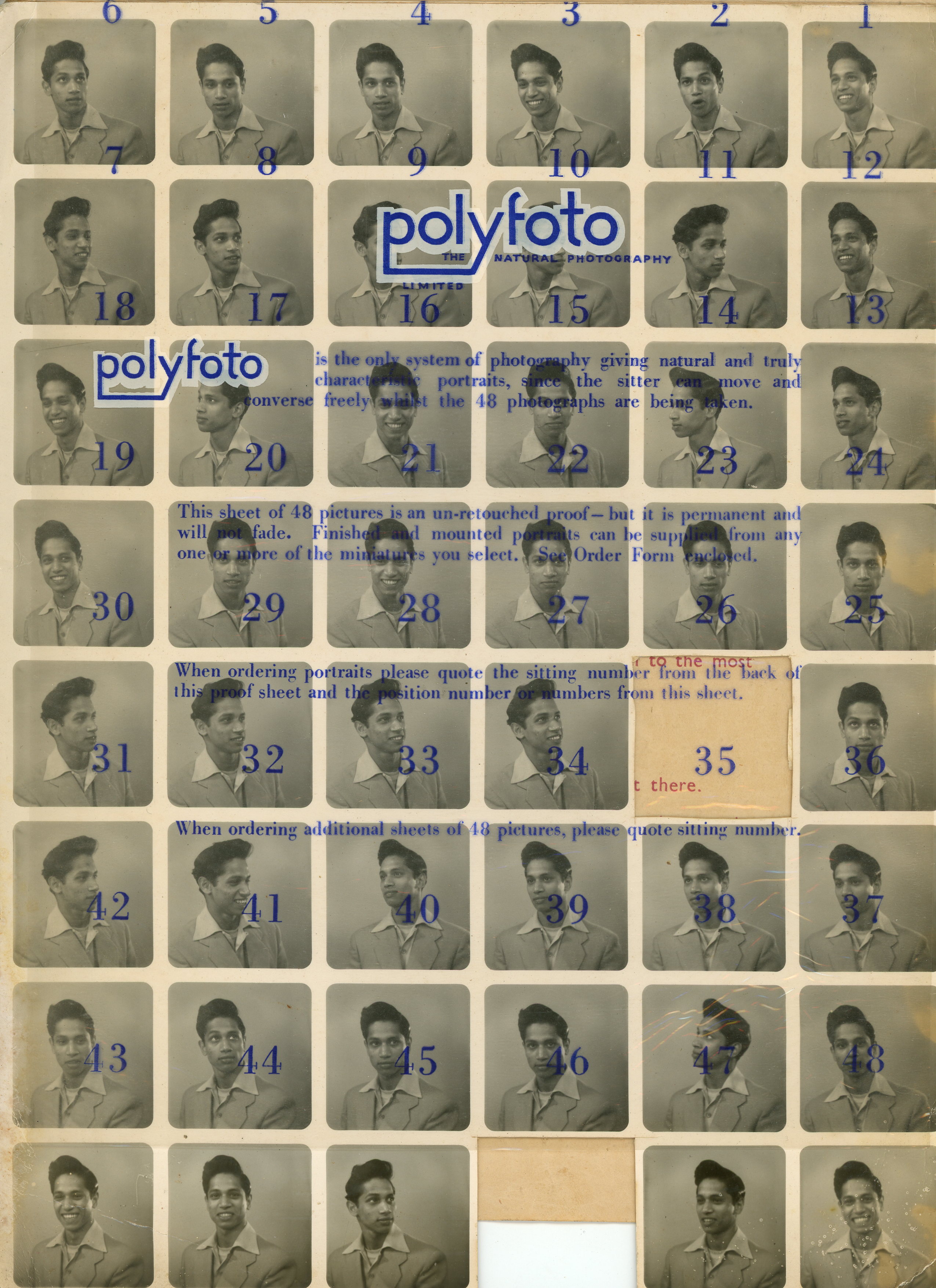
Ribeiro’s ‘Polyfoto’ head shots, c.1951
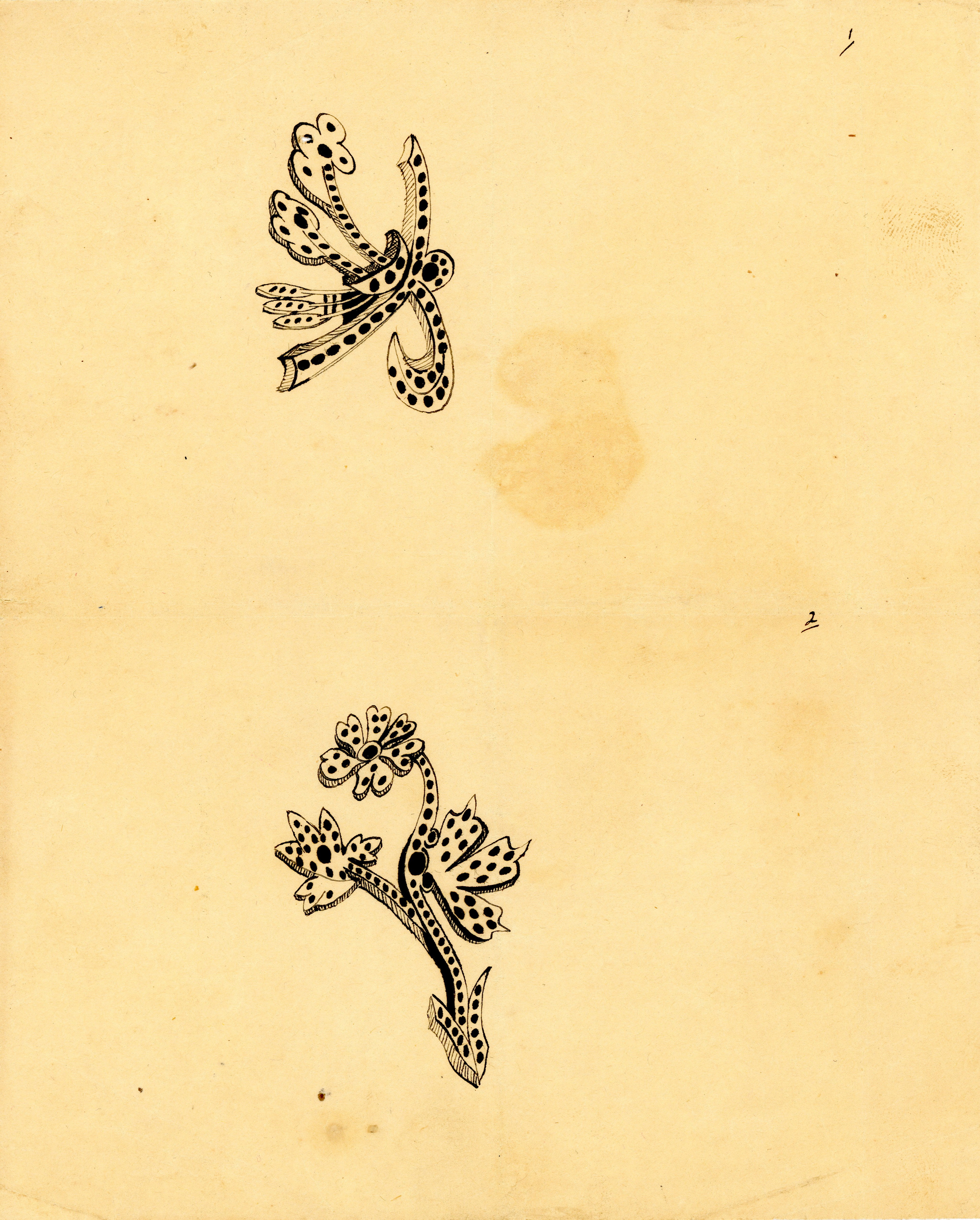 Ribeiro’s drawing for two brooches, 1954 | It was around this time his artistic interests began to emerge. He took up part-time day and evening life drawing classes at the renowned Saint Martin’s School of Art and would start to explore jewellery manufacture and write his first poems. However, Britain’s National Service, which had been introduced in 1939, was still in force. On his brother’s advice, Ribeiro started travelling to the Continent in the hope of escaping conscription. He made 11 trips to Paris and noted this was a time he started to paint. However, on a return trip, he was caught by two military police and sent to do his service as a British Empire National, in the Royal Air Force (RAF). |
The days consisted of basic training in West Kirby (Merseyside) and a posting in Catterick (North Yorkshire). He found himself forced to join the RAF effort to eradicate rabbits, following the highly-infectious myxomatosis outbreak which had reached the UK in the 1950s.
Meanwhile, tensions over the Suez Canal were brewing and his letters home conveyed fears that he would soon be sent to Egypt. His family were panicking back home and his mother had also written of her ill health. It took the intervention of his brother and V K Krishna Menon (India’s first High Commissioner in London from Indian Independence) to secure a timely discharge on compassionate grounds a year before the Suez crisis broke.
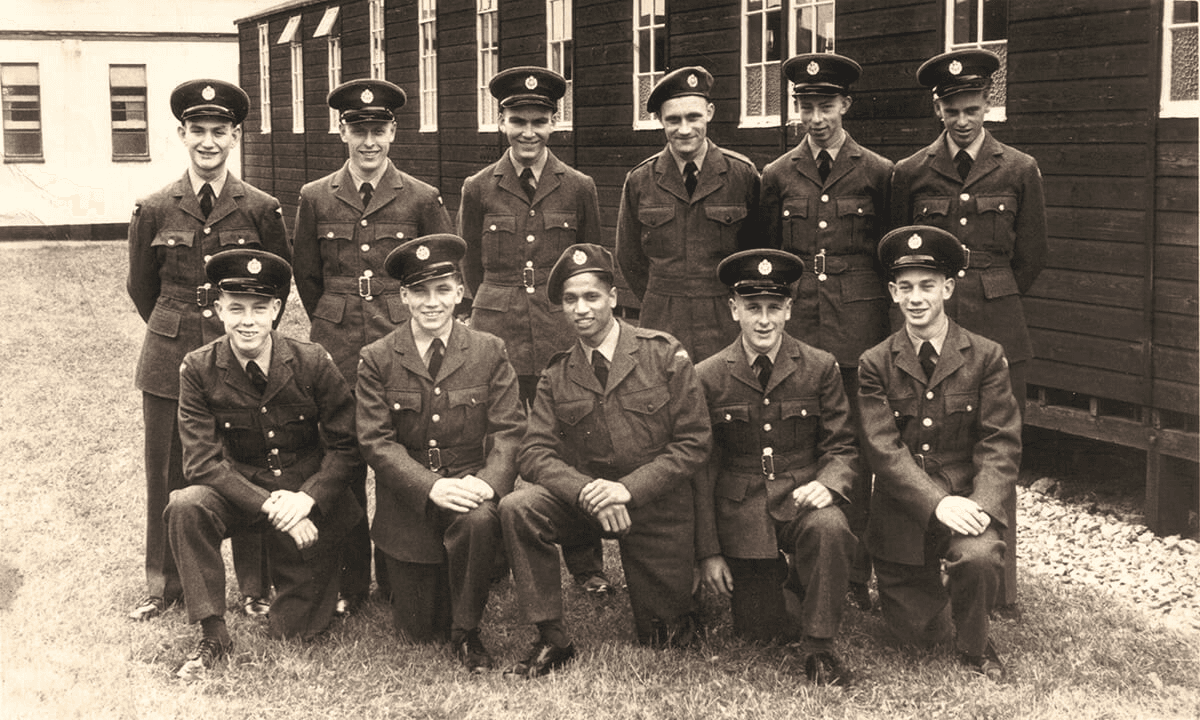
Ribeiro (back row, third right) in the RAF West Kirby, 1954 (Crown Copyright)
Ribeiro left by ship on the SS Chusan for India in March 1955. His father told him ‘a good job for you in Income - Tax - Office as an Inspector’ awaits. He instead began working for the Life Insurance Corporation of India (LIC) but he was still throwing himself into poetry.
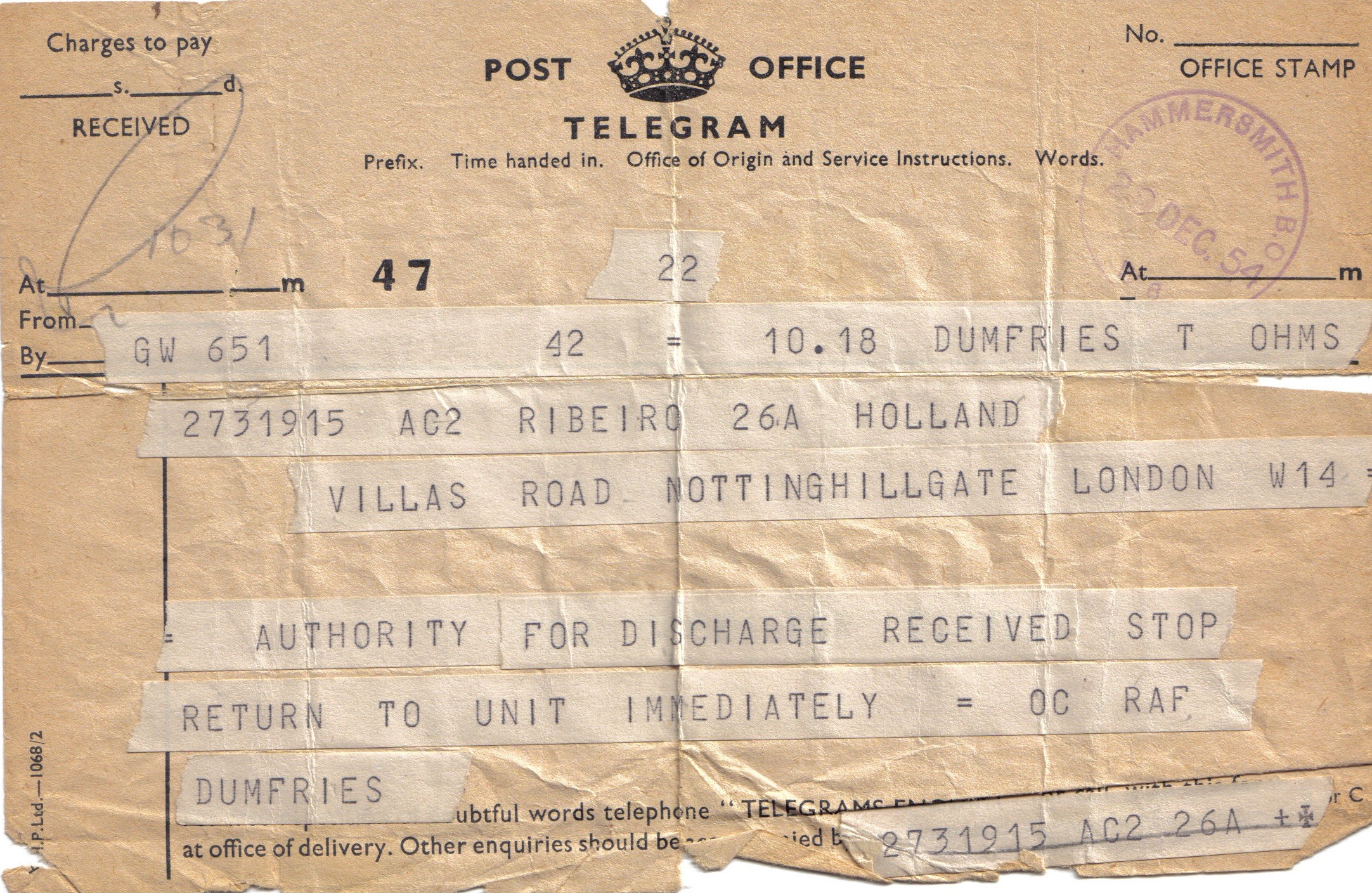
Ribeiro’s RAF discharge telegram, 1954